Hidden costs and unexpected delays are the two things homeowners most dread when planning a kitchen or bathroom renovation. And yet they remain remarkably common. The good news is that they are not inevitable. In the majority of cases, they are the result of specific, identifiable decisions that can be made differently, and understanding those decisions in advance gives you a significant advantage before work begins.
This guide covers the most common causes of hidden costs and delays in West London kitchen and bathroom renovations and, more importantly, the practical steps you can take to avoid them. Whether you are early in the planning stage or already in conversation with designers and contractors, the principles here will help protect your budget and your timeline.
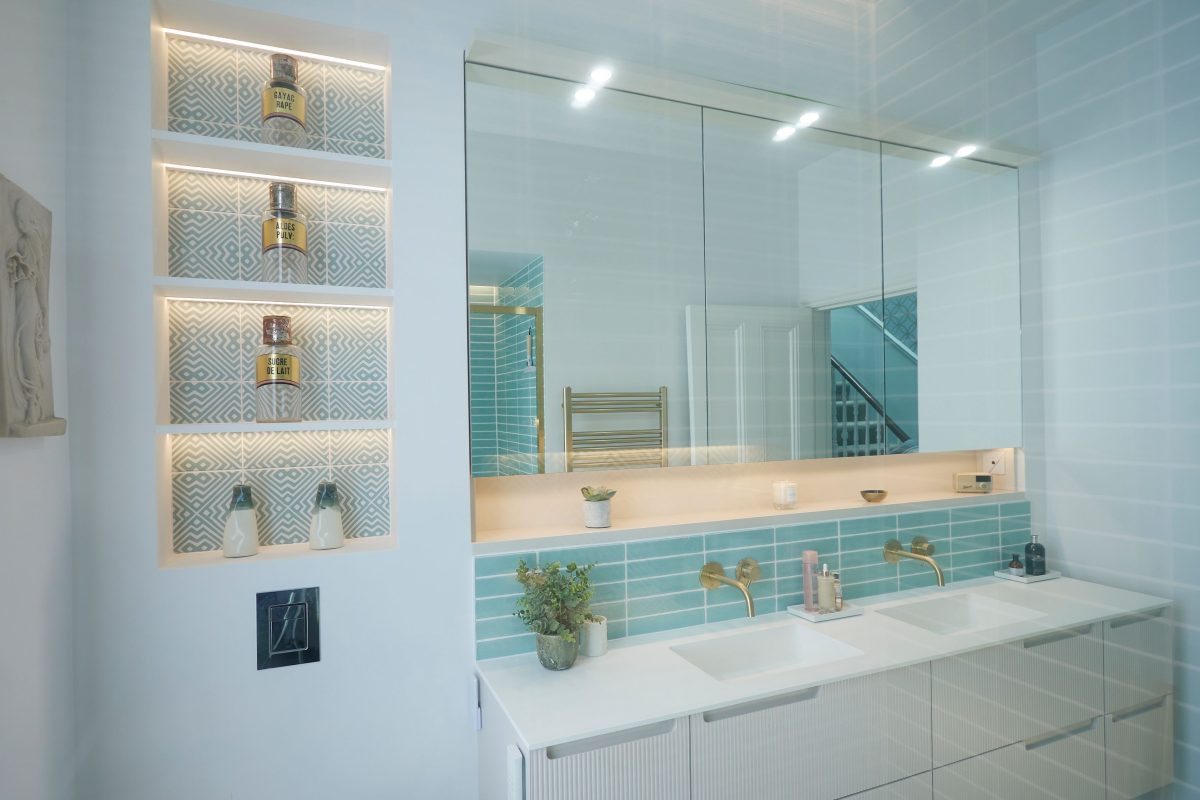
Start with a detailed and complete specification
The single most effective thing you can do to avoid hidden costs is to ensure that every element of the project is specified in detail before any quotes are obtained or any work begins. Vague briefs produce vague quotes, and vague quotes are where variation charges are born. When a contractor quotes for a scope of work that has not been clearly defined, anything that falls outside their interpretation of that scope becomes an additional charge.
A detailed specification covers not just the products being installed but the preparatory work required, the services that need to be moved or upgraded, the finishes expected, the sequence of trades and the quality standards that apply throughout. The more complete the specification, the fewer opportunities there are for unexpected additional costs to emerge once work is underway.
Working with a studio that provides this level of specification as part of their design service, as Arch KBB does on every project, removes this risk entirely.
Budget a proper contingency from the start
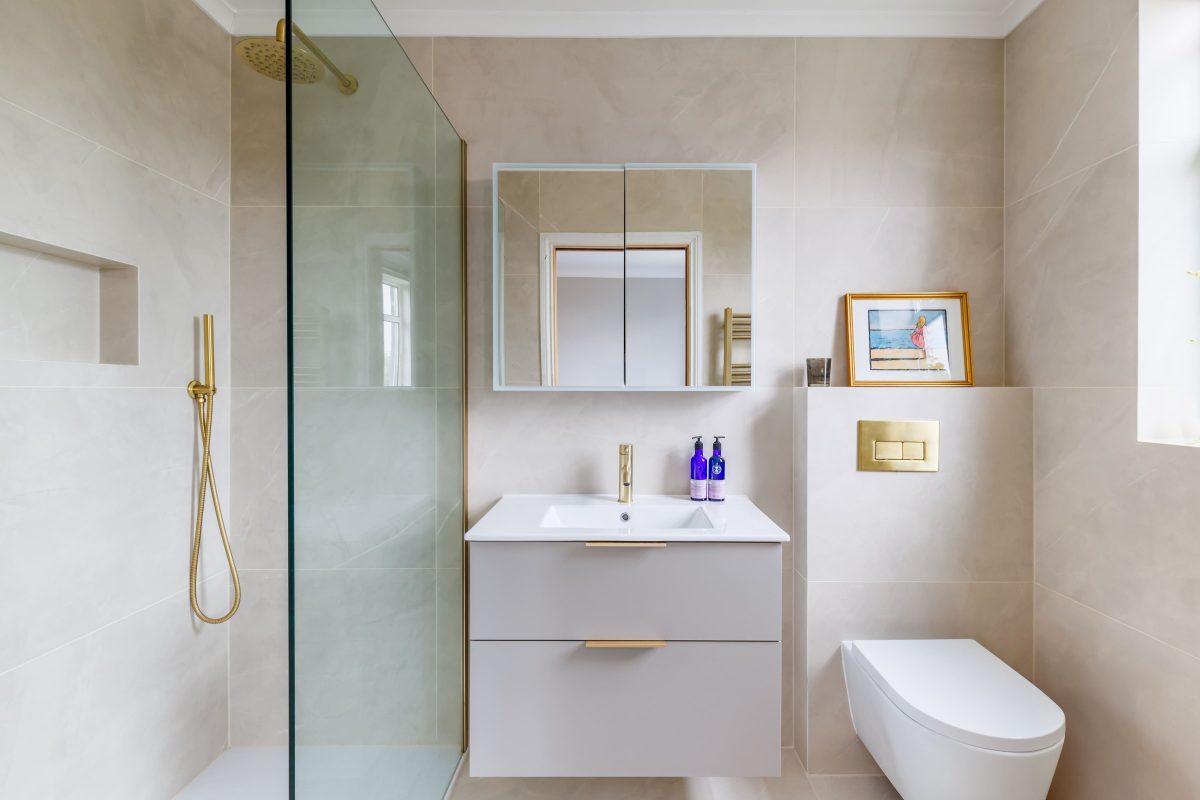
Even well-planned renovations in West London can encounter unforeseen structural issues, particularly in older properties where original construction may not meet current standards or where previous renovation work was not done correctly. Concealed plumbing problems, inadequate structural support and outdated electrical installations are all common discoveries once walls come down.
A contingency budget of ten to fifteen percent of the total project cost is a sensible provision for these eventualities. Homeowners who do not include a contingency are not avoiding these costs. They are simply making them harder to absorb when they arise. A project that runs into an unexpected structural issue without contingency provision either stalls while funds are arranged or compromises are made that affect the quality of the finished result.
Choose a single company for design and installation
Splitting design and installation between separate companies is one of the most reliable ways to create both hidden costs and delays. When a designer hands over to a separate installer, the potential for miscommunication, specification gaps and accountability disputes increases substantially. Each of those scenarios has a cost attached to it, whether that is additional labour to resolve a problem, additional materials to correct an error, or delay while the two parties agree on who is responsible for what.
Using a single company for the full project, as Arch KBB manages across every kitchen, bathroom and bedroom project, eliminates this risk. There is one team, one clear line of accountability and one integrated process from design through to completion.
Plan the trade sequence before work begins
Delays in kitchen and bathroom renovations are most commonly caused by trades being scheduled in the wrong order or by one trade completing late and blocking the next from starting. A plumber who is delayed pushes back the tiler. A tiler who overruns prevents the cabinetry fitter from starting. Each day of delay has a cost, both in additional contractor charges and in the extended period of living without a functional kitchen or bathroom.
Preventing these delays requires a detailed programme to be in place before work begins, with all trades booked, their dependencies mapped and contingency time built into the schedule. This is straightforward when a single project manager is overseeing everything. It is significantly harder when the homeowner is trying to coordinate multiple contractors independently.
Verify product lead times before committing to a start date
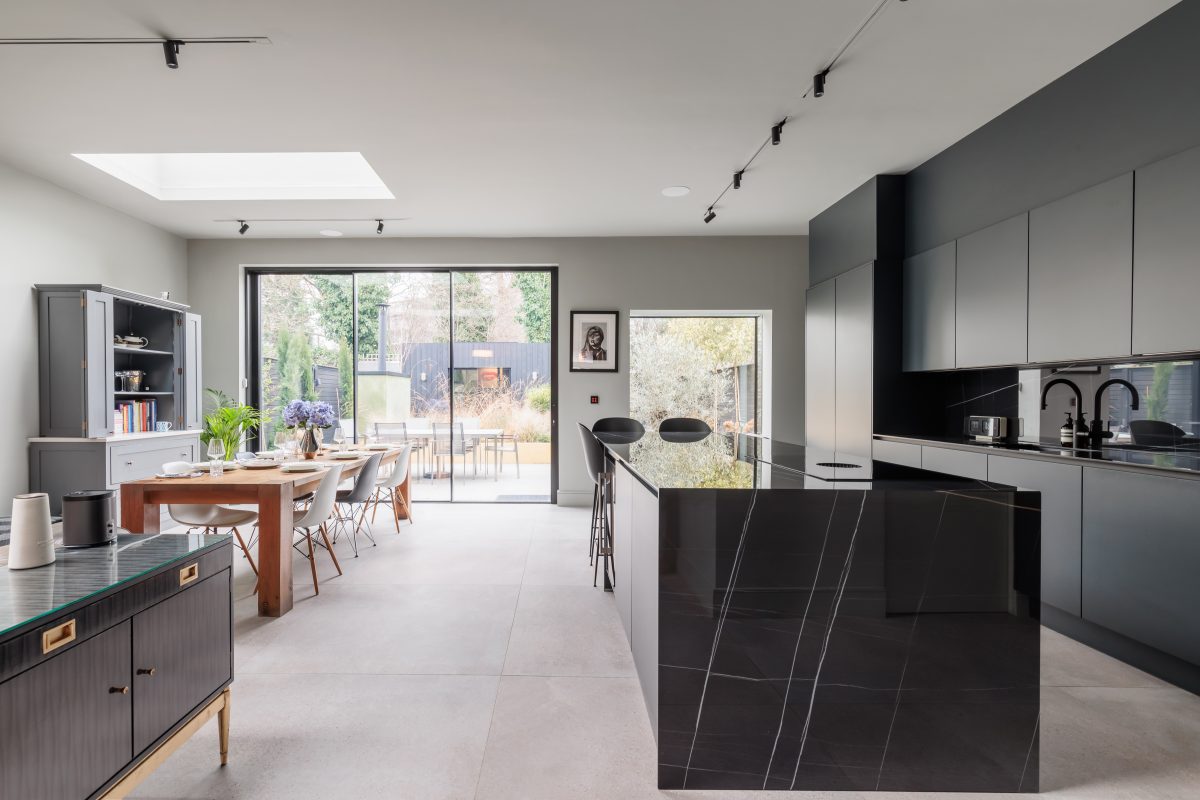
Bespoke cabinetry, stone worktops, specialist sanitaryware and high-specification appliances all have lead times that need to be factored into the programme. Committing to an installation start date without confirming that all products will be available in time is a very common cause of delays. Work begins, preparatory elements are completed, and then progress stalls waiting for products that have not yet arrived.
A managed design and installation service coordinates product ordering and delivery as part of the project programme. Lead times are confirmed at the design stage, and the installation start date is set to ensure everything is in place before work begins on site.
Do not make changes once work has started
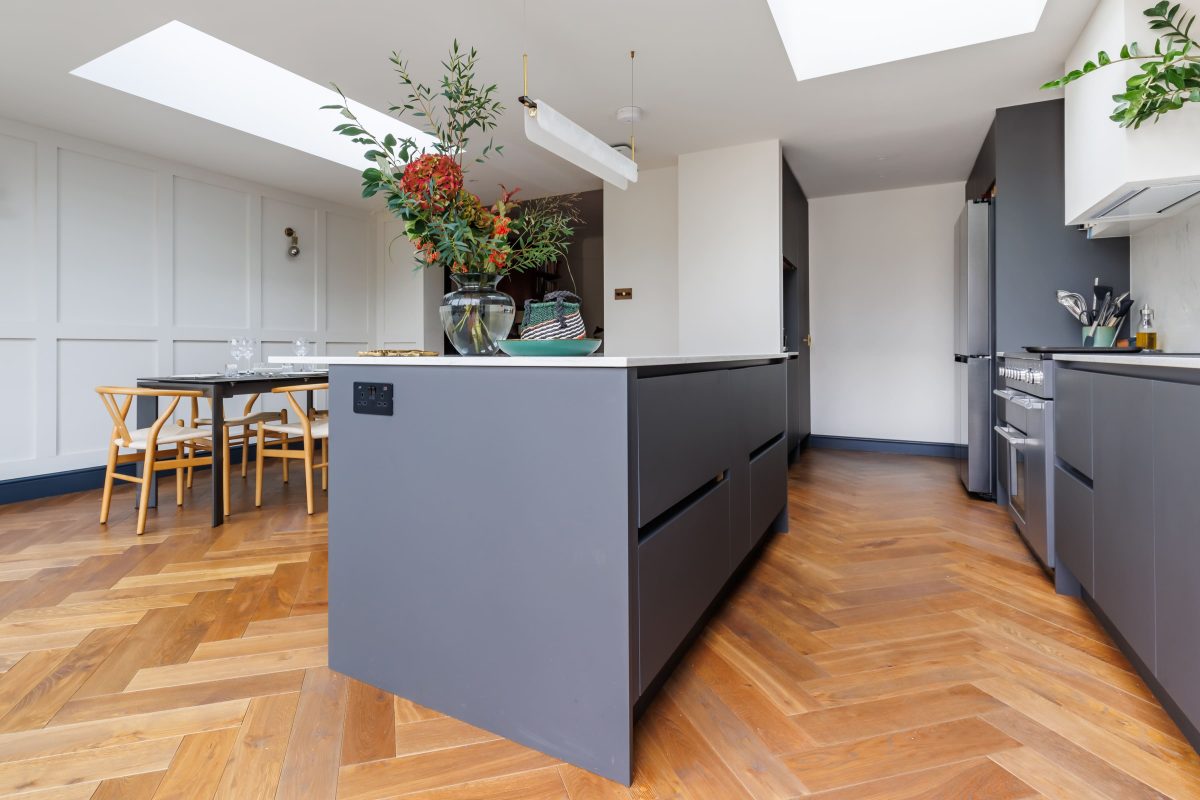
Design changes made after installation has begun are one of the most predictable sources of additional cost and delay. Every change to the specification once work is underway carries a cost, whether that is returning and reordering products, redoing work that has already been completed or disrupting the trade sequence to accommodate a new requirement.
The best way to avoid late changes is to invest properly in the design stage. Taking the time to get every detail right before work begins, reviewing the design thoroughly, visiting the showroom to see materials and finishes in person, and making all decisions with confidence before sign-off means you go into the project certain that what has been planned is what you want.
For homeowners in West London planning a kitchen renovation or bathroom redesign, speaking with the Arch KBB team early in the process is the most effective way to ensure the project is properly planned, realistically budgeted and set up to run on time and on cost.
FAQs
What are the most common hidden costs in a kitchen or bathroom renovation?
The most frequent hidden costs are structural discoveries when walls are opened up, variation charges from incomplete specifications, additional labour caused by poor trade coordination, and costs associated with delays such as temporary living arrangements. A detailed specification, a realistic contingency budget and a managed service significantly reduce all of these.
How do I avoid delays in a kitchen or bathroom renovation?
The most effective approach is to use a single company for design and installation, ensure all products are ordered with lead times confirmed before setting a start date, plan the trade sequence in advance and avoid making changes to the design once work has begun.
How much contingency budget should I allow for a kitchen or bathroom renovation?
A contingency of ten to fifteen percent of the total project budget is generally recommended. This provision covers structural discoveries, unexpected service issues and any unforeseen circumstances that arise during the works. Projects without contingency budgets are much more likely to exceed their planned spend.
Why do renovation costs often exceed the original quote?
Cost overruns most commonly arise from variation charges on work not included in the original quote, structural discoveries, changes made to the specification after work begins, and delays that extend the programme and increase total labour costs. All of these are significantly reduced by thorough planning and a detailed initial specification.
Does Arch KBB provide fixed-price quotes for kitchen and bathroom renovations?
Arch KBB provides detailed, transparent quotes that clearly set out every element of the project cost. Homeowners have a clear picture of the total investment before any commitment is made, and the integrated design and installation service significantly reduces the risk of unexpected additional costs arising once the project is underway.